


by Dr Pisuth Lertvilai
A person’s weight has always been a concern when it comes to health. For Thais in particular, a recent report is quite alarming as it signals that overweightness is becoming a more serious issue every year. From 2009 to 2026, the incidence of obesity among Thai citizens had significantly increased from 34.7% to 45%. The percentage for Thai women is even worse, at 47.7%, mainly because of less physical movement compared to that of Thai men.
In general, we classify overweight data by using the body mass index (BMI) as the main indicator. BMI is derived using body weight in kilograms divided by squared height in centimetres. A person who has BMI lower than 18.5 is considered underweight while those with BMI higher than 25.0 classified as overweight. However, using BMI as the only obesity measurement indicator may not be sufficient since in many cases, overweight persons may have higher muscle mass more than fat mass. Therefore, waist circumference should also be used as a co-indicator for overweight measurement since the fat that accumulates around the waist and creates abdominal obesity is considered more dangerous when discussing excessive body weight. The benchmark for a man’s waist is 34.5 inches maximum and 31.4 inches for Asian women. Furthermore, females living in Bangkok show the highest levels of abdominal obesity.
Health issues associated with overweight patients comprises non communicable diseases (NCDs), including diabetes and hypertension, thus, affecting the quality of life of obese persons. Most of the overweight population suffer from higher fat mass, which will have a negative impact on many body systems. This can then affect a person’s metabolic system and cause higher blood sugar levels while many types of bad fats lead to increased triglycerides (TG), low density lipoprotein (LDL) and higher cholesterol levels.
The main reasons behind this global health issue begin with availability of food types, and better agricultural technology can produce higher quantities of food. When food prices come down and tastes improve, consumers will ingest more. Meanwhile, population do not have proper dietary knowledge and are not aware of the importance of physical activity. So, they will gain weight over time.
Now, let’s talk about some collateral topics surrounding the overweight issue. First, is calories counting effective in weight management? Yes, of course, you should consume fewer calories than you burn to reduce weight, but there is no need to regularly count the calories you consume. It’s good to be aware of the calories content in the food you eat as well as the food types you eat to reach your body weight goal. This, though, is called calorie awareness, not calories counting.
In general, every individual is different, therefore, the calories required will vary according to various factors such as gender, age, body size and activity level for each person. Most men require 2,000 +/- calories daily while women may need a bit less, like 1,600+/- for a given day. A person should also be aware that one gram of protein or carbohydrate will provide four calories while nine calories is ingested with each gram of fat. Therefore, think twice before eating oily or fatty foods even though they are tastier.
There are also some studies that report not all calories are equal. FIn some studies, certain participants burned more calories each day and so were advised to adopt a diet relatively low in carbohydrates. Then, to enhance these studies, experts have advised to reduce or refrain from sugars to achieve weight loss and prevent regaining the weight later.
To conclude, American obesity has dropped from 40% to 37% between 2022 to 2025. However, down trend in obesity has been attributed to an increase in people using a class of medication called GLP-1 receptor agonists. A GLP-1 injection mimics the natural hormone glucagon-like peptide 1 which helps regulate blood sugar, control appetite and slow body digestion. However, while this medication is very effective in reducing body weight, you should also know that about 25% of this weight loss will be from muscle mass. As such, if a person loses weight quickly either by using the GLP-1 medication or pursuing an extremely low carbohydrate or low-calorie diet, they will lose even more muscle faster which is not good for managing body weight. Therefore, to prevent excessive muscle loss while pursing weight reduction, it is advisable to employ resistance training to rebuild muscle, ingest sufficient protein and reduce the pace of weight reduction.
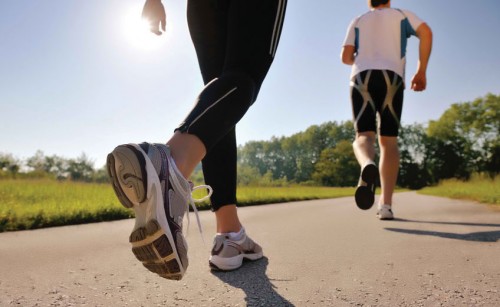
Resistance training refers to exercises that work against a load, whether from weights, exercise bands or even one’s own body weight. Regular resistance training will help build muscle. You should gradually increase the intensity and difficulty of these workouts as they will stimulate muscle growth and increase strength. The 150 minutes every week of moderate resistance training is highly recommended.
A body needs protein as supports muscle growth, a person should ingest enough protein daily. For persons 65 years of age, they should take 1 gram of protein per 1 kilogram of body weight, and with resistance training, they should increase their protein intake to 1.5+/- per kilogram of body weight. No need to eat the required protein at one time; better to spread the total amount throughout the day in each meal.
Finally, it is recommended to pursue the gradual weight loss since fast weight loss will accelerate burning muscle protein rather than muscle fat. The ideal weight reduction plan is to reduce 0.5 kilogram every week or two kg for a given month. With slow weight loss, you can maintain or even build muscle mass when combining regular resistance training and sufficient protein intake.